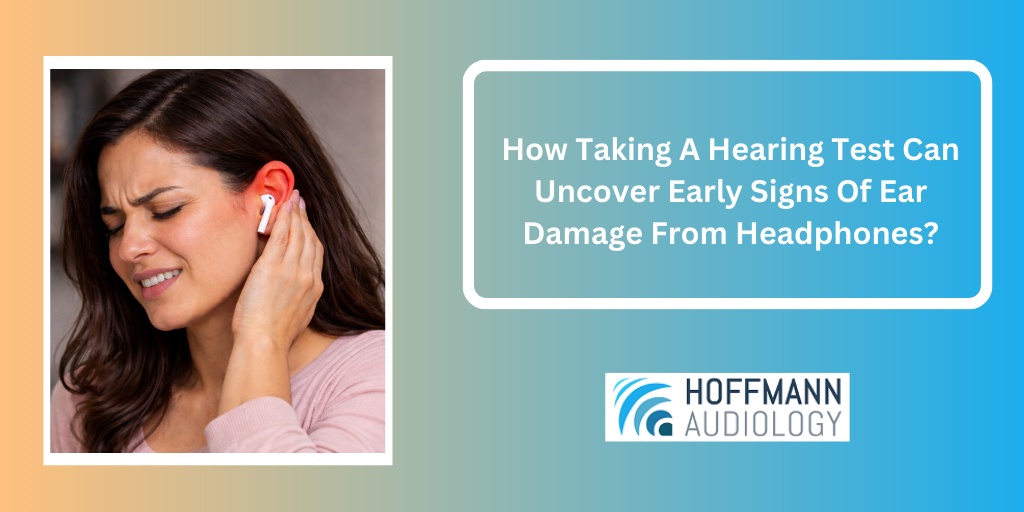



With the rise of smartphones, remote work, and at-home entertainment, headphone use has become an integral part of daily life. From music and podcasts to Zoom calls and gaming, headphones offer a personal, immersive experience. However, with this increased use comes a growing concern: the potential for ear damage caused by prolonged exposure to loud sounds.
This issue is particularly prevalent among younger adults, who may not recognize the early signs of ear damage until it’s too late. Fortunately, taking a hearing test can help detect early signs of ear damage and prevent long-term complications.
Prolonged listening at high volumes can cause damage to the delicate hair cells in the inner ear. These cells transmit sound signals to the brain, but loud noises can easily damage them. Once these hair cells are damaged, they do not regenerate, leading to permanent hearing loss.
Factors such as volume, listening duration, and the type of headphones you use all contribute to the level of risk. While noise-cancelling headphones can reduce the need to turn up the volume in noisy environments, traditional headphones often lead to higher volume levels. Many people are unaware that even moderate volume levels can cause significant damage over time.
Despite these risks, many people ignore early warning signs, dismissing them as temporary annoyances. Understanding the signs of early damage can help prevent further harm.
Here are some common early warning signs of ear damage by headphones that people often overlook:
A hearing test is a proactive step in protecting your ear health. Hearing tests can detect subtle changes in your hearing before noticeable hearing loss occurs. By identifying early signs of damage, audiologists can intervene before the damage becomes irreversible.
Hearing screenings measure the full range of frequencies that may be affected by headphone use. This includes high-pitched sounds, which are often the first to be affected. By establishing a baseline hearing test, you can monitor your hearing over time and take necessary steps to preserve it.
During a hearing test, an audiologist will guide you through a simple, non-invasive procedure to assess your hearing health. Some standard tests include:
The results of these tests will help your audiologist determine whether headphone use has caused any early hearing damage.
If you frequently use headphones for music, work, or gaming, it’s crucial to get your hearing checked regularly. You should consider a hearing test if:
It’s also recommended to schedule annual hearing tests for children, teens, and adults who use headphones frequently. Early detection can help prevent permanent hearing damage.
Taking a hearing test helps identify problems before they become permanent. By detecting hearing changes early, specialists can provide personalized recommendations to protect your ears, including lifestyle adjustments, safer listening habits, and protective strategies.
Regular hearing tests help you stay on top of your ear health and make adjustments as needed to preserve your hearing in the long term.
To protect your hearing and reduce the risk of ear damage from headphones, consider the following tips:
Taking a hearing test is a crucial step in preventing long-term ear damage caused by headphone use. With our growing reliance on headphones for music, podcasts, and entertainment, it's easy to overlook the impact on hearing health. Early detection through a comprehensive hearing exam can help identify early signs of damage and allow you to take proactive steps to protect your hearing.
At Hoffmann Audiology, we're committed to helping you maintain optimal hearing health through regular testing and personalized care. With routine hearing tests, you can adopt safer listening habits and enjoy audio experiences without compromising your hearing. Our team is here to support you in safeguarding your hearing long term. Contact us today to schedule a hearing test and protect your hearing for the future.

Comments are closed