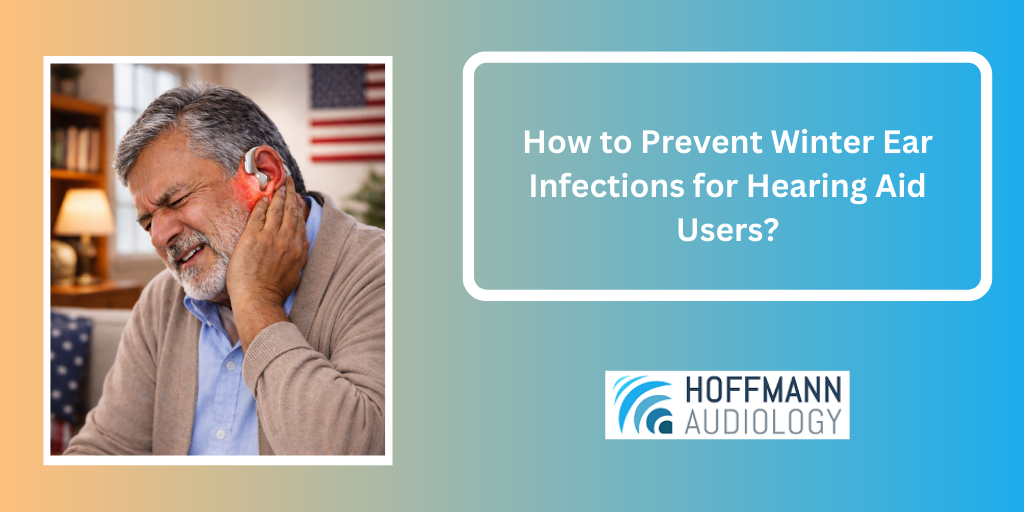
Winter can be a challenging season for ear health, especially for people who rely on hearing aids every day. Cold weather, dry indoor air, and increased illness combine to raise the risk of winter ear infections. For hearing aid users, moisture buildup, reduced airflow, and prolonged device use can make the ear canal more vulnerable to irritation and infection.
The good news is that with the right prevention strategies and proper hearing aid care, most winter ear infections can be avoided. Let’s explore why infections are more common in winter, what early warning signs to watch for, and how hearing aid users can protect their ears throughout the season.
Why Does Winter Increase the Risk of Ear Infections?
Several winter-specific factors contribute to a higher risk of ear infections:
- Cold temperatures and dry indoor heating: Cold outdoor air and heated indoor environments dry out the skin inside the ear canal, making it more prone to cracks and irritation where bacteria can grow.
- More colds, flu, and sinus infections: Winter illnesses often cause congestion and fluid buildup, which can block the Eustachian tubes and increase pressure in the ears.
- Moisture and condensation around hearing aids: Moving between cold outdoor air and warm indoor spaces can create condensation on hearing aids, trapping moisture in the ear canal.
- Reduced airflow in the ear canal: Hearing aids naturally limit airflow, and when combined with winter hats, earmuffs, or ear warmers, moisture may stay trapped longer.
Early Signs of Winter Ear Infections
Catching an ear infection early can prevent complications and reduce discomfort. Common early signs of ear infections include:
- Itching, fullness, pain, or a “water in my ear” sensation.
- Muffled hearing or increased feedback from your hearing aid.
- Mild discharge or tenderness around the ear canal.
- Redness or irritation that does not improve with routine cleaning.
If symptoms worsen, last more than a few days, or include fever or severe pain, it is essential to seek medical evaluation.
Prevention Tips for Hearing Aid Users During Winter
Cold weather can irritate the ears and increase the risk of infection for hearing aid users. Simple daily habits can help prevent ear infections when it’s cold and keep your ears comfortable all winter.
Keep Your Ears Dry
Moisture control is one of the most critical steps in preventing ear infections.
- Gently wipe your ears after showers, workouts, or coming in from cold weather.
- Remove hearing aids if they become damp.
- Use hearing aid drying aids or dehumidifier boxes overnight.
Maintain Proper Hearing Aid Hygiene
Clean devices reduce bacteria and irritation.
- Follow a daily cleaning routine recommended by your audiologist.
- Replace wax guards and domes regularly.
- Avoid wearing tight hats, earmuffs, or earbuds for long periods if they trap moisture.
Check the Fit of Your Hearing Aid
A poor fit can irritate the ear canal and increase the risk of infection.
- Watch for soreness, redness, or pressure points.
- Schedule a fitting adjustment if discomfort continues.
Protect Your Ears from Cold Weather
Cold air can dry and irritate sensitive ear tissue.
- Use breathable, moisture-resistant ear warmers.
- Avoid prolonged exposure to cold winds when possible.
Boost Your Immune System
A strong immune system helps reduce the risk of infection.
- Stay hydrated even when you do not feel thirsty.
- Eat a balanced diet rich in vitamins and minerals.
- Get enough sleep and manage stress during the winter months.
Effective Ear Infection Treatment Options
Treatment depends on the severity and cause of the infection.
Over-the-counter options
- Mild irritation or inflammation may improve with pain relievers or doctor-approved ear drops.
When antibiotics are needed
- Bacterial infections may require prescription medication. Always follow medical advice.
Avoid improper ear cleaning
- Using cotton swabs or sharp tools can push bacteria deeper into the ear, worsening the problem.
Special considerations for hearing aid users
- Temporary removal of hearing aids may be recommended during treatment.
- Devices should be thoroughly cleaned and dried before reuse.
When to Pause Hearing Aid Use?
There are times when wearing a hearing aid may increase discomfort.
- If there is active pain, discharge, or swelling.
- If your provider recommends temporary removal during treatment.
The length of time to keep hearing aids out depends on symptoms and the rate of healing. Once pain and discharge resolve, reinsert devices slowly and monitor for irritation. Make sure the hearing aid is thoroughly cleaned and dry before wearing it again.
When to See a Hearing Specialist or ENT?
Professional care is essential when symptoms persist.
- Persistent pain, drainage, fever, or sudden hearing loss
- Repeated winter ear infections year after year
- Changes in hearing aid comfort or performance
A hearing specialist (ENT) can provide an accurate diagnosis, recommend appropriate treatment for ear infections, and help prevent long-term complications.
Additional Winter Care Tips for Hearing Aid Users
- Use indoor humidifiers to prevent excessive dryness
- Store hearing aids safely in a dry case or dehumidifier at night
- Schedule winter check-ups with your audiologist to ensure proper fit and device function
Winter Ear Care Support You Can Trust at Hoffmann Audiology
Winter ear infections are a common concern, especially for people who wear hearing aids. With the proper daily habits and seasonal care, many of these issues can be prevented. Keeping your ears dry, following proper hearing aid cleaning routines, protecting your ears from cold air, and paying attention to early symptoms all help support long-term ear health.
At Hoffmann Audiology, our team is committed to helping you stay comfortable and hear your best throughout the winter months. Proactive care and routine check-ups make a meaningful difference in preventing irritation and infection.
If you notice ongoing discomfort, changes in hearing, or signs of an ear infection, contact us to schedule a personalized evaluation. Our team is here to provide expert guidance, preventive care, and solutions designed around your hearing needs.
Frequently Asked Questions (FAQs)
- How can I tell the difference between earwax buildup and a winter ear infection?
Earwax buildup often causes fullness or muffled hearing without pain, while infections usually include pain, itching, discharge, or redness. - How often should I clean my hearing aids during the winter months?
Daily cleaning is recommended, with deeper maintenance and wax guard replacement as advised by your audiologist. - Can allergies worsen in winter and lead to ear infections?
Yes. Indoor allergens like dust and mold can cause congestion, which can contribute to ear infections. - Can I sleep with my hearing aids on during winter?
It is generally not recommended. Removing hearing aids at night allows airflow and reduces moisture buildup. - Can dry winter air make my ear canal more sensitive or irritated?
Yes. Dry air can irritate the ear canal, increasing its susceptibility to inflammation and infection.